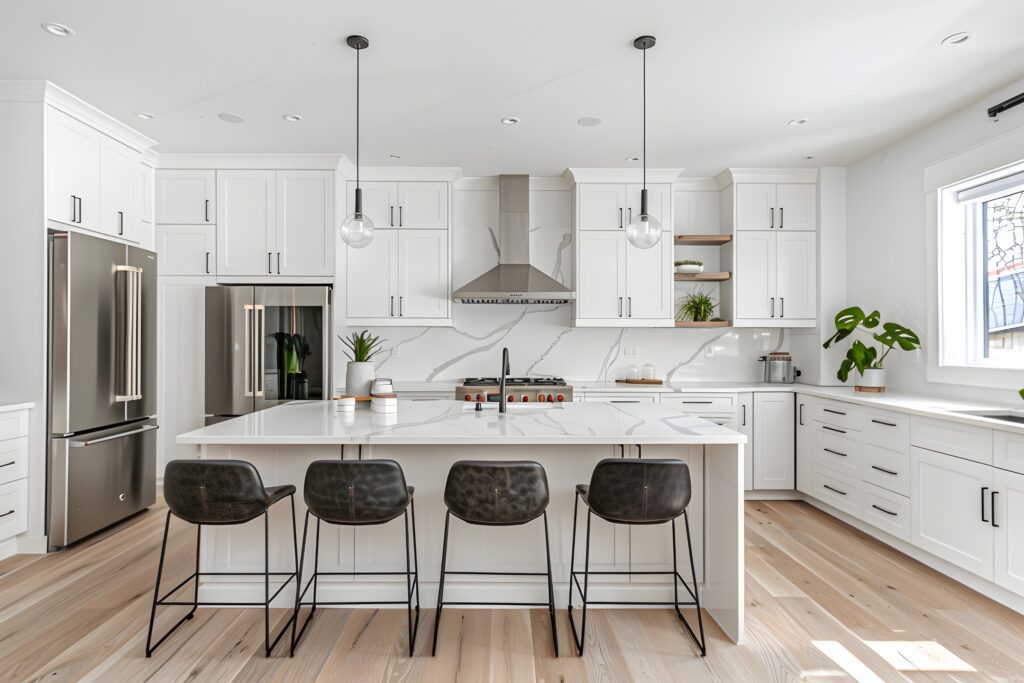

Whole Home Remodeling Cost in the Bay Area in 2026
If you’re considering updating your property, understanding the whole-home remodeling cost is one of the most important first steps. Remodeling prices in the Bay Area continue to vary based on home size, project scope, finishes, and structural changes, but one thing remains true: investing in your home can dramatically improve comfort, functionality, and long-term value.
At Bayside Builders Group, we help homeowners throughout the Bay Area plan and complete remodeling projects that match their goals and budget. In this guide, we’ll break down average costs, the factors that influence pricing, and ways to maximize your investment in 2026.

What Is the Average Whole Home Remodeling Cost in the Bay Area?
The average cost to remodel an entire home in the Bay Area typically ranges from $150 to $400+ per square foot, depending on the complexity of the project and the quality of materials selected.
Here are general ranges homeowners can expect in 2026:
| Home Size | Estimated Remodeling Cost |
|---|---|
| 1,000 sq ft | $150,000 – $300,000 |
| 1,500 sq ft | $225,000 – $450,000 |
| 2,000 sq ft | $300,000 – $700,000+ |
| 2,500 sq ft | $375,000 – $900,000+ |
| 3,000+ sq ft | $450,000 – $1M+ |
Projects involving structural modifications, luxury finishes, room additions, or major layout changes will typically fall toward the higher end of these ranges.
The good news is that remodeling allows homeowners to customize their living space while often increasing the value of their property in one of the country’s strongest real estate markets.

Factors That Affect Home Remodeling Cost
No two remodeling projects are exactly alike. Several variables influence the final price.
1. Size of Your Home
The larger the home, the greater the amount of labor, materials, and planning required.
However, the cost per square foot may decrease slightly on larger projects because certain expenses, such as permits, design, and project management, are spread across more space.
2. Scope of the Renovation
A cosmetic update is very different from a full-scale renovation.
Projects that include:
- Removing walls
- Reconfiguring floor plans
- Updating electrical systems
- Replacing plumbing
- Adding windows or doors
- Raising ceilings
- Seismic upgrades
will generally cost more than projects focused primarily on finishes and aesthetics.
3. Kitchen and Bathroom Renovations
Kitchens and bathrooms are often the most expensive rooms to remodel because they combine plumbing, electrical work, cabinetry, tile, fixtures, and appliances.
If your project includes these spaces, you may want to read our related guides:
- Average Kitchen Remodeling Cost in the Bay Area
- Bathroom Remodeling Cost in the Bay Area
- Siding Replacement Cost in the Bay Area
- Deck Replacement Cost in the Bay Area
4. Material Selection
Your choice of finishes can significantly impact your budget.
Examples include:
Standard finishes
- Quartz countertops
- Luxury vinyl flooring
- Semi-custom cabinets
- Porcelain tile
Premium finishes
- Natural stone countertops
- Wide plank hardwood flooring
- Custom cabinetry
- Designer lighting
- Imported tile
Many homeowners choose to invest more heavily in kitchens, bathrooms, and living spaces while selecting more budget-conscious options in secondary rooms.
5. Permit and City Requirements
Bay Area cities have different permitting requirements, inspection schedules, and building regulations.
Homes located in older neighborhoods may require:
- Electrical panel upgrades
- Plumbing replacements
- Foundation improvements
- Seismic retrofitting
- Energy efficiency upgrades
Working with an experienced contractor helps ensure your project meets all local building codes while avoiding costly delays.

Cost Breakdown of a Whole Home Remodel
Although every project is unique, homeowners can expect their budget to be distributed across several categories.
Design and Planning: 5–15%
This includes:
- Architectural plans
- Interior design
- Engineering
- Permit preparation
- Material selections
Careful planning at the beginning of the project can help prevent unexpected costs later.
Demolition and Structural Work: 10–25%
This phase may include:
- Removing walls
- Framing
- Foundation work
- Structural reinforcements
- Window and door modifications
Older homes often require additional structural improvements to meet current building standards.
Kitchens and Bathrooms: 30–50%
Because these rooms involve multiple trades, they often account for the largest portion of the remodeling budget.
Common upgrades include:
- New cabinets
- Countertops
- Flooring
- Tile
- Plumbing fixtures
- Lighting
- Appliances
Flooring, Paint, and Finishes: 15–30%
Finishing touches play a major role in the final appearance of your home.
This category includes:
- Hardwood flooring
- Luxury vinyl plank
- Interior painting
- Baseboards
- Doors
- Trim
- Lighting fixtures

Is Remodeling Cheaper Than Buying a New Home?
For many Bay Area homeowners, remodeling can be more affordable than purchasing a larger or newer property.
Buying a new home often involves:
- Higher mortgage payments
- Closing costs
- Moving expenses
- Property taxes
- Competition in a tight housing market
A whole home remodel allows you to stay in the neighborhood you love while creating a home that better suits your lifestyle.
Many homeowners choose to remodel because they want:
- An open floor plan
- Modern kitchens and bathrooms
- Improved energy efficiency
- More storage
- Better indoor-outdoor living spaces
- Increased home value
Which Remodeling Projects Add the Most Value?
Certain upgrades tend to deliver stronger returns than others.
Kitchen Remodeling
An updated kitchen remains one of the most desirable features for buyers.
Popular upgrades include:
- Large islands
- Quartz countertops
- Custom cabinets
- Walk-in pantries
- Energy-efficient appliances
If you’re considering remodeling your kitchen separately, be sure to read our article on Kitchen Remodeling Cost in the Bay Area.
Bathroom Remodeling
Modern bathrooms improve both comfort and resale value.
Homeowners often choose:
- Walk-in showers
- Freestanding tubs
- Double vanities
- Heated floors
- Large-format tile
Exterior Improvements
Don’t overlook your home’s exterior.
Replacing aging siding, updating landscaping, or building a new deck can dramatically improve curb appeal and functionality.

Ways to Save Money on a Whole Home Remodel
A larger remodeling project doesn’t necessarily mean overspending.
Here are several ways homeowners can maximize their budget:
Plan Everything Before Construction Starts
Changing layouts or materials after construction begins can increase costs and extend timelines.
Working with a design-build contractor helps streamline the process and reduce surprises.
Prioritize High-Impact Areas
If budget is a concern, focus on spaces that provide the most value, such as:
- Kitchens
- Bathrooms
- Main living areas
- Exterior improvements
Secondary rooms can sometimes be updated in future phases.
Reuse Existing Layouts When Possible
Moving plumbing, gas lines, or major structural components generally increases costs.
Keeping kitchens and bathrooms in their existing locations can help control expenses while still delivering a dramatic transformation.
Choose Durable Materials
Higher-quality materials may cost more upfront, but they often require less maintenance and last significantly longer.
Many Bay Area homeowners choose:
- Quartz countertops
- Fiber cement siding
- Engineered hardwood flooring
- Composite decking
- Energy-efficient windows
These upgrades can improve both durability and long-term value.

Why Work With a Design-Build Remodeling Company?
Whole home remodeling projects involve many moving parts.
You’ll likely need:
- Design services
- Permits
- Structural engineering
- Project management
- Multiple trades
- Material coordination
- City inspections
Working with a design-build company simplifies the process because everything is managed under one roof.
At Bayside Builders Group, our team helps homeowners navigate every stage of the remodeling journey, from initial design concepts and permitting to construction and final finishes.
We believe successful remodeling starts with thoughtful planning, transparent communication, and quality craftsmanship.
Is a Whole Home Remodel Worth It?
For many Bay Area homeowners, the answer is yes.
A thoughtfully planned remodel can:
- Modernize an outdated home
- Improve functionality
- Increase property value
- Reduce maintenance costs
- Enhance energy efficiency
- Create spaces tailored to your lifestyle
Rather than moving, many families are choosing to invest in the homes and neighborhoods they already love.

Start Planning Your Bay Area Home Remodel
Understanding the total cost of a whole-home remodel is an important part of planning your project, but price is only one piece of the puzzle.
The right remodeling team will help you balance your budget, prioritize upgrades, and create a home that works for your family’s needs for years to come.
At Bayside Builders Group, we specialize in kitchen remodeling, bathroom remodeling, siding replacement, decks, ADUs, and complete home renovations throughout the Bay Area.
If you’re considering a remodeling project in 2026, our team is here to help you explore your options and create a plan tailored to your home and your goals. Contact us today to get a free quote!
Over 25 Years Of Experience!
Frequently Asked Questions: Home Remodeling Cost In the Bay Area
What is the average whole-home remodeling cost in the Bay Area?
The average whole-home remodeling cost in the Bay Area ranges from approximately $150 to $400+ per square foot. The final price depends on your home’s size, the complexity of the renovation, structural changes, and the quality of materials and finishes you choose.
How much does it cost to remodel a 2,000-square-foot house in the Bay Area?
For a 2,000-square-foot home, homeowners typically spend between $300,000 and $700,000 or more. Homes with luxury finishes, custom layouts, or major structural modifications may exceed this range.
What factors affect home remodeling costs the most?
Several factors influence remodeling costs, including:
- Size of the home
- Scope of work
- Kitchen and bathroom renovations
- Structural changes
- Material selections
- Permit requirements
- Age and condition of the property
Older homes may require electrical, plumbing, or foundation upgrades that can increase the overall budget.
Is remodeling cheaper than buying a new home in the Bay Area?
For many homeowners, remodeling is often more affordable than purchasing a new home. Remodeling allows you to stay in your current neighborhood while upgrading your home’s functionality, appearance, and value without the costs associated with moving.
Which rooms are the most expensive to remodel?
Kitchens and bathrooms are generally the most expensive rooms to renovate because they involve plumbing, electrical work, cabinetry, countertops, tile, and fixtures. These spaces also tend to provide some of the highest returns on investment.
How long does a whole-home remodel take?
Most whole-home remodeling projects take anywhere from 6 to 12 months, depending on the project’s size and complexity. Larger homes, structural modifications, permit timelines, and custom materials can extend the schedule.
Does a whole-home remodel increase property value?
Yes. A professionally completed remodel can significantly increase your home’s market value, especially when it includes updated kitchens, bathrooms, flooring, energy-efficient upgrades, and enhanced curb appeal.
What are the best ways to save money on a whole home remodel?
You can help control remodeling costs by:
- Planning the entire project before construction begins
- Keeping existing plumbing and structural layouts when possible
- Prioritizing high-value spaces
- Choosing durable, low-maintenance materials
- Working with an experienced design-build contractor
Careful planning often leads to fewer surprises and a smoother remodeling experience.
🚀 Ready to Start Your Dream Remodel?
Whether you’re planning a bathroom remodel, kitchen remodel, building an ADU, or upgrading your outdoor space, our expert team is here to help.
📞 Call us at (510) 901-9972 or fill out the form below to get started: