Deck Replacement Cost In The Bay Area in 2026
Understanding the deck replacement cost in the Bay Area involves navigating a complex mix of material choices, labor rates, and strict local building codes. It’s not just about swapping out old boards; it’s about investing in a structure that adds value to your home and safety for your family.
In this guide, we will break down everything you need to know about budgeting for a new deck. We’ll explore how material selection impacts your bottom line, why Bay Area labor rates differ from the national average, and how professional deck builders can help you maximize your investment.
Understanding the Bay Area Market
Construction costs in the Bay Area are notoriously higher than the national average. When researching deck replacement cost, you might see national averages ranging from $15 to $35 per square foot. However, in our region, those numbers often serve as a starting point rather than a ceiling.
Several factors drive these higher costs:
- Cost of Living: High living costs translate to higher wages for skilled deck contractors.
- Terrain: Many Bay Area homes are built on hillsides or uneven ground, requiring complex engineering and additional structural support.
- Logistics: Navigating narrow streets in San Francisco or coordinating deliveries in dense neighborhoods adds time and complexity to projects.
While the sticker price might be higher here, the return on investment (ROI) for outdoor spaces in the Bay Area remains one of the highest in the country. A well-built deck is a major selling point in our competitive real estate market.
Average Deck Replacement Cost per Square Foot
When you start getting quotes, you will likely see pricing broken down by square footage. In the Bay Area, a basic deck replacement can range significantly based on complexity.
- Pressure-Treated Wood: $50 – $70 per square foot installed.
- Natural Redwood or Cedar: $60 – $85 per square foot installed.
- Composite Decking: $75 – $110+ per square foot installed.
- Exotic Hardwoods (Ipe): $90 – $130+ per square foot installed.
These figures are estimates for standard rectangular decks on flat ground. If your project involves replacing a multi-level deck, adding stairs, or navigating steep terrain, the deck replacement cost will naturally increase.

Material Choices and Their Impact on Deck Replacement Cost
The material you choose is the single biggest variable in your project budget. Let’s dive into the most popular options available to Bay Area homeowners.
1. Pressure-Treated Wood
This is generally the most affordable option upfront. It is chemically treated to resist rot and insects.
- Pros: Cost-effective, readily available, easy to work with.
- Cons: Requires frequent maintenance (staining/sealing), prone to warping and cracking over time.
- Best For: Budget-conscious projects or structural framing that won’t be visible.
2. California Redwood
Redwood is a classic choice for the Bay Area. It is naturally resistant to decay and insects and offers a beautiful, warm aesthetic that fits perfectly with our local architecture.
- Pros: Stunning natural look, locally sourced (lower carbon footprint), stays cool underfoot.
- Cons: Requires annual maintenance to keep its color; prices fluctuate based on lumber market conditions.
- Cost Impact: Mid-range. It is more expensive than pressure-treated wood but often cheaper than high-end composites.
3. Composite Decking (Trex, TimberTech, etc.)
Composite decking has exploded in popularity because it mimics the look of wood without the maintenance headaches. It is made from a blend of wood fibers and recycled plastics.
- Pros: Low maintenance (no sanding or staining), durable, resistant to fading and staining, long warranties (25+ years).
- Cons: Higher upfront cost, can get hot in direct sunlight, not a structural material (requires wood framing).
- Cost Impact: High. While the initial deck replacement cost is higher, you save money over time by eliminating annual maintenance costs.
4. Exotic Hardwoods (Ipe, Cumaru)
For the ultimate in luxury and durability, exotic hardwoods like Ipe are the gold standard. These woods are incredibly dense and naturally resistant to fire, rot, and insects.
- Pros: Incredible longevity (50+ years), distinct premium look, very hard and durable.
- Cons: Very expensive, difficult to install (requires pre-drilling), requires oiling to maintain the rich color (otherwise it weathers to silver-gray).
- Cost Impact: Premium. Choosing Ipe will push your project to the top end of the price spectrum.
Labor Costs and Hiring Deck Builders
Labor typically accounts for about 50% to 60% of the total project cost. In the Bay Area, skilled labor is in high demand. It is crucial not to cut corners here. Experienced deck builders understand local microclimates and soil conditions, ensuring your deck stands the test of time.
Why Professional Labor Matters
Building a deck isn’t just carpentry; it’s engineering. A professional crew ensures:
- Proper Footings: Critical for stability, especially in seismic zones.
- Waterproofing: Essential for preventing rot where the deck meets your house (ledger board).
- Code Compliance: Ensuring railings, stairs, and structural spans meet strict California building codes.
Hiring unlicensed or inexperienced workers might save money upfront, but it often leads to costly repairs or code violations later. Reliable deck contractors carry insurance and offer warranties on their workmanship, giving you peace of mind.
Permits and Engineering: Hidden Factors in Deck Replacement Cost
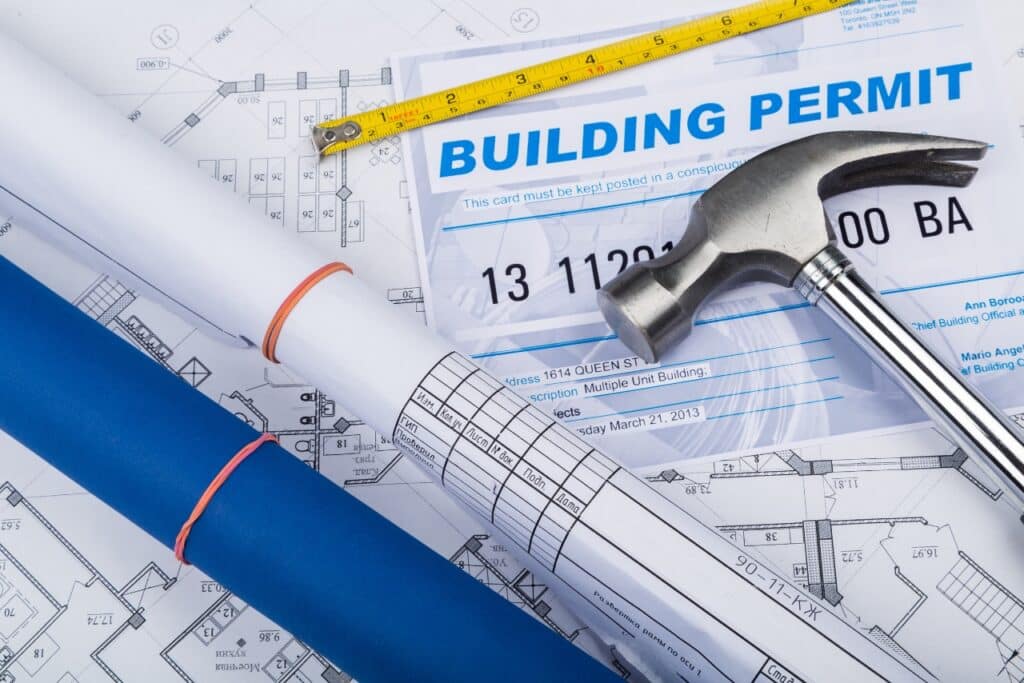
One area often overlooked by homeowners is the “soft cost” associated with permitting and planning. In almost every city in the Bay Area, from San Francisco to San Jose, a permit is required for deck replacement if the deck is more than 30 inches off the ground.
The Permitting Process
- Fees: Permit fees vary by municipality but can range from a few hundred to over a thousand dollars, depending on the project value.
- Drawings: You may need to submit architectural drawings or structural calculations.
- Inspections: The city will require inspections at various stages (footings, framing, final) to ensure safety.
Structural Engineering
If you live on a steep hillside or want a complex design (like a cantilevered deck), you may need a structural engineer to sign off on the plans. This ensures the deck won’t slide or collapse during an earthquake. While this adds to the deck replacement cost, it is non-negotiable for safety.
Demolition and Disposal Fees
Unlike building a new deck from scratch, replacement involves tearing down the old structure. Demolition is labor-intensive, especially if the old wood is rotten or unstable.
- Dump Fees: Disposing of construction debris in the Bay Area is expensive due to strict environmental regulations and high landfill fees.
- Hazardous Materials: If your old deck was painted with lead-based paint or used older pressure-treated wood with arsenic, special disposal methods might be required.
Expect demolition and disposal to add $5 to $15 per square foot to your total budget. Professional deck builders usually include this in their comprehensive quote, handling the hauling and recycling for you.

Does Design Complexity Affect Deck Replacement Cost?
Absolutely. A simple square platform is the most economical design. However, most homeowners want features that enhance livability and aesthetics.
Design Elements That Increase Cost:
- Shape: Curves, octagons, or multi-level designs require more cuts, more waste, and more labor.
- Stairs: Building stairs is precise, time-consuming work. Long staircases for second-story decks can be a significant line item.
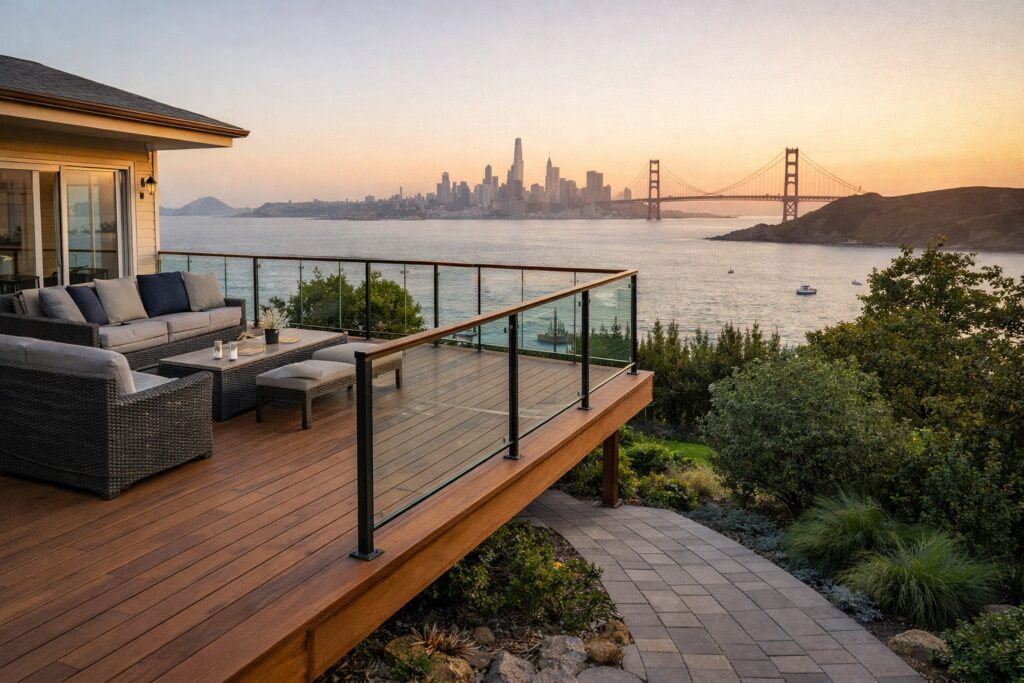
- Railings: Your choice of railing wood, cable, glass, or aluminum can swing the budget wildly. Glass and cable railings are popular in the Bay Area for preserving views but are more expensive than standard wood balusters.
- Built-ins: Benches, planters, and pergolas add functionality but also add to the material and labor tally.
When discussing your project with deck contractors, be upfront about your budget. They can often suggest design modifications, such as simplifying the shape or mixing materials, to give you the look you want without breaking the bank.
Timing Your Project: Seasonal Considerations
The Bay Area has distinct wet and dry seasons. While we are lucky to have a climate that allows for year-round construction, timing can influence availability and potentially cost.
Spring and Summer
This is the busy season. Everyone wants their deck ready for summer BBQs. Deck builders are often booked months in advance. Prices are generally firm due to high demand.
Fall and Winter
While rain can cause delays, the cooler months can be a smart time to schedule a replacement. Contractors might have more flexibility in their schedules. However, you must account for potential weather delays, especially when pouring concrete footings or applying finishes that need dry conditions to cure.

Why Cheap Estimates Are a Red Flag
If you receive a quote that is significantly lower than others, proceed with caution. A surprisingly low deck replacement cost estimate often means something is missing.
Common shortcuts in low-ball bids include:
- Low-grade materials: Using “Number 2” lumber with many knots instead of premium grades.
- Skipping permits: This puts the liability entirely on you and can complicate selling your home later.
- Improper fasteners: Using standard screws instead of corrosion-resistant stainless steel or galvanized hardware, which is critical in our coastal air.
- Inadequate framing: Spacing joists too far apart, resulting in a bouncy or sagging deck.
High-quality deck contractors provide detailed, transparent quotes. They explain exactly what materials will be used and break down the scope of work so there are no surprises.
Maximizing ROI on Your Deck Replacement
While a new deck is a significant expense, it is also an investment. In the Bay Area, outdoor living space is highly coveted. According to Remodeling Magazine’s Cost vs. Value Report, wood deck additions consistently recoup a high percentage of their cost upon resale.
To maximize value:
- Match the House: Ensure the deck design complements the architectural style of your home. A modern composite deck might look out of place on a Victorian home unless designed carefully.
- Focus on Flow: Create a seamless transition between indoor and outdoor spaces.
- Add Lighting: Integrated lighting extends the usability of the deck into the evening and adds a high-end feel for a relatively low cost.

Budgeting for Your Project
To get a realistic idea of your deck replacement cost, start by measuring the length and width of your current deck to get the square footage. Multiply that by the price ranges mentioned earlier ($60-$130/sq ft) to get a rough ballpark.
Example Calculation:
For a standard 300-square-foot deck:
- Low End (Pressure Treated): 300 sq ft x $60 = $18,000
- Mid Range (Redwood/Composite): 300 sq ft x $90 = $27,000
- High End (Ipe/Premium Composite): 300 sq ft x $120 = $36,000
Remember, these are rough estimates. The only way to get an accurate number is to have professional deck builders inspect your existing structure. Sometimes, the framing is still sound, and you can save money by only replacing the decking boards and railings (often called “resurfacing”). However, if the structure is old or not up to current code, a full replacement is usually the safer and smarter route.
Conclusion
Replacing a deck is a major project, but it transforms how you enjoy your home. It creates a sanctuary for morning coffee, a gathering place for family dinners, and a front-row seat to our beautiful Bay Area sunsets.
While the deck replacement cost involves many variables, clarity comes from working with the right team. You need a partner who understands local codes, honest pricing, and quality craftsmanship.

Your Trusted Deck Builder in the Bay Area
At Bayside Builders Group, we specialize in creating stunning outdoor spaces tailored to your lifestyle and budget. We navigate the complexities of permits, engineering, and design so you don’t have to.
Ready to transform your outdoor living space? Don’t guess at the cost, get a clear, detailed plan. Contact Bayside Builders Group today for a FREE consultation, and let’s bring your dream deck to life.
Over 25 Years Of Experience!
FAQs About Deck Replacement Cost
What is the average deck replacement cost in the Bay Area?
The average deck replacement cost varies widely based on materials, size, and complexity. You can expect to budget between $50 to over $130 per square foot. For example, pressure-treated wood is on the lower end, while premium composite and exotic hardwoods like Ipe are at the higher end. The best way to get an accurate figure is to get a detailed quote from professional deck contractors.
Why are deck replacement costs higher in the Bay Area?
Several local factors contribute to higher costs, including the high cost of living which affects labor wages, challenging terrain like hillsides requiring complex engineering, and strict local building codes that demand higher standards for materials and construction.
Do I need a permit to replace my deck?
Yes, in most Bay Area municipalities, a permit is required if the deck is more than 30 inches above the ground. Replacing a deck often involves structural work, and a permit ensures the new structure is built to current safety and building codes. Experienced deck builders will handle the entire permitting process for you.
How much do materials contribute to the overall deck replacement cost?
Materials are a significant portion of the budget, often accounting for 40-50% of the total cost. Your choice between pressure-treated wood, Redwood, composite decking, or exotic hardwoods will be the biggest factor in your final project price.
Is composite decking worth the higher initial cost compared to Redwood?
For many homeowners, yes. While Redwood offers a beautiful natural look, composite decking requires virtually no annual maintenance like sanding or staining. Over the life of the deck, the savings in maintenance time and costs can make composite a more economical choice, despite the higher upfront investment.
How long does a typical deck replacement project take?
The physical construction for a standard-sized deck replacement usually takes 1 to 3 weeks. However, the pre-construction phase, which includes design, engineering, and obtaining permits, can add several weeks to the total timeline.
What "hidden" costs should I be aware of?
Homeowners should budget for potential soft costs like permit fees, structural engineering plans (especially for hillside properties), and demolition and debris disposal. A reputable deck builder will include all these items in a comprehensive, transparent quote.
Is it a red flag if I get a very low quote from a contractor?
Yes. An unusually low quote often means corners are being cut. This could involve using substandard materials, skipping the permitting process, or not having proper insurance. Always compare detailed, line-item quotes from multiple licensed deck contractors.
🚀 Ready to Start Your Dream Remodel?
Whether you’re planning a bathroom remodel, kitchen remodel, building an ADU, or upgrading your outdoor space, our expert team is here to help.
📞 Call us at (510) 901-9972 or fill out the form below to get started: